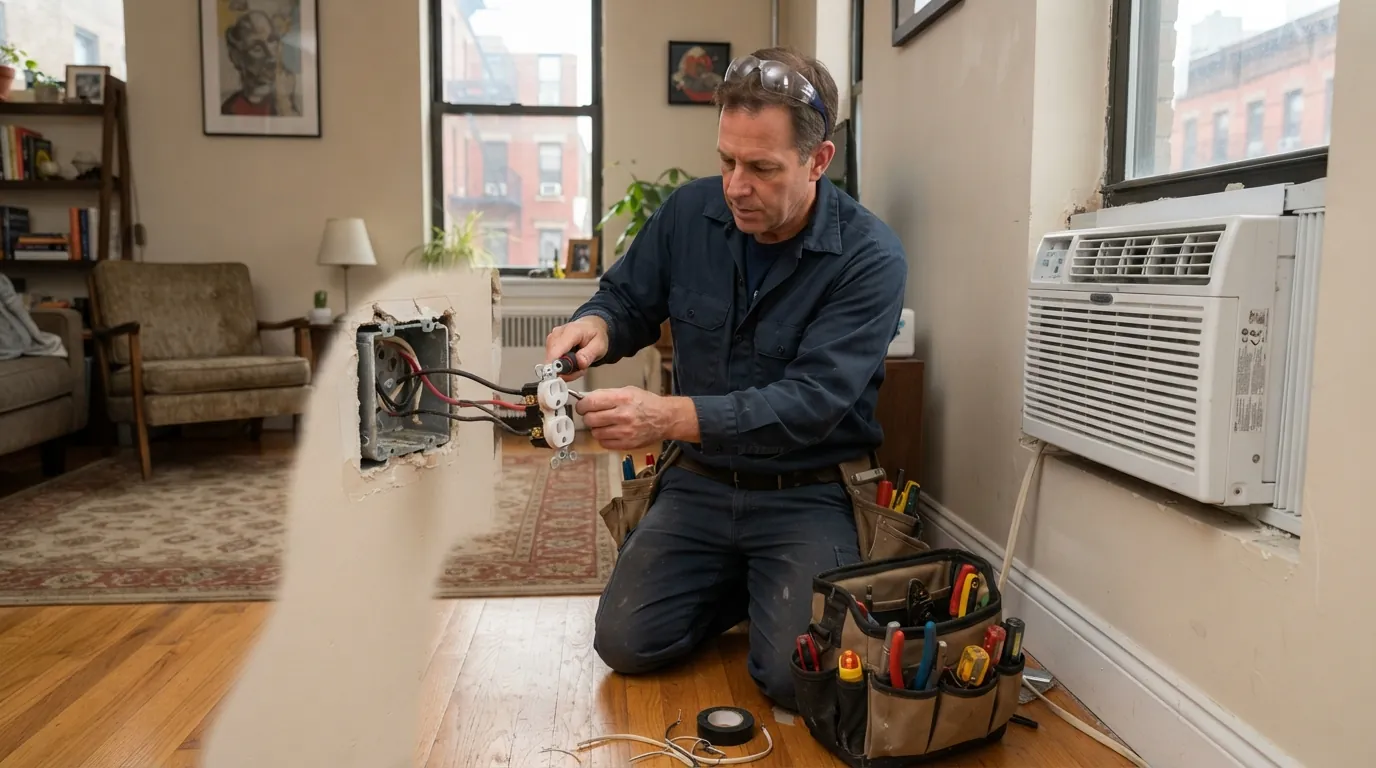
A dedicated circuit in a New York City is a new run from the panel that feeds one appliance, which stops a window AC, microwave or space heater from overloading a shared 15-amp circuit. It's new electrical work, so it needs a DOB permit; published NYC figures put the filing fee for a new circuit at about $150 to $300 on top of the install.
Updated September 2026
Older apartments were wired with a handful of general circuits, each feeding several rooms. Plug an 8,000 BTU air conditioner and a microwave into the same one and the breaker does its job all summer long.
A dedicated circuit fixes that permanently, and it's the right answer for anything with a motor or a heating element that runs for long stretches. We size the wire and breaker to the nameplate, choose the right receptacle, and add AFCI or GFCI protection where the 2025 code calls for it.
Window and through-wall AC circuits
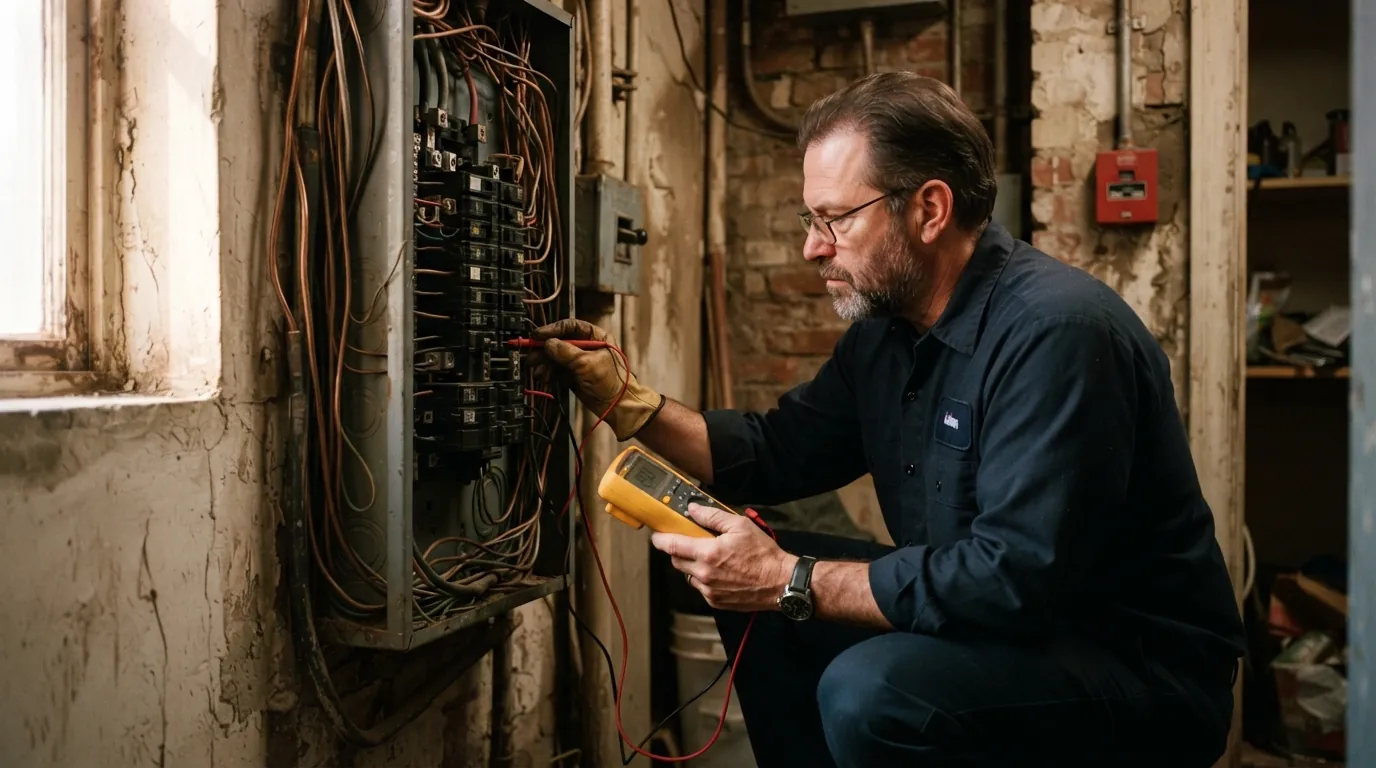
Most window units under 12,000 BTU run on 120 volts and draw close to what a 15-amp circuit can carry, so they need their own. Larger units and through-wall sleeves often need 240 volts and a matching receptacle. We check the nameplate, run the circuit in armored cable from the panel, mount the receptacle where the cord reaches without an extension cord, and label the breaker so it's easy to find. In a co-op we match the building's rules on sleeve units and work hours.
GFCI replacement about $100 to $200; standard outlet $100 to $150; three-way switch $200 to $225; 220V outlet $120 to $170. Source: www.homeyou.com, 2026-06-14. Published market range for budgeting only, not our quote.
Dryer, range and induction cooktop circuits
Electric dryers need a 30-amp, 240-volt circuit; ranges and induction cooktops typically need 40 or 50 amps. In buildings moving off gas, this is often the first 240-volt circuit the apartment has ever had, and it's where a load calculation matters most. We confirm the panel has the capacity and the space, run the circuit, and install the correct four-wire receptacle or hardwired connection. If the panel can't take it, we'll say so before the kitchen is torn up, and price the panel work alongside.
240V outlets for shop tools and heaters
Table saws, compressors, kilns and baseboard or wall heaters want 240 volts and a circuit of their own. We match the breaker and wire to the tool's nameplate, install the receptacle type the plug uses, and add a local disconnect where the equipment needs one. In a garage or basement shop we route the run where it won't be hit and protect it with conduit where it's exposed. Heaters get a thermostat circuit sized for continuous load, not just the starting draw.
Refrigerator, microwave and dishwasher circuits
Kitchens built before the 1980s often run the refrigerator, microwave and counter outlets on one circuit. Code today wants the major kitchen appliances on their own circuits and the counters on at least two 20-amp small-appliance circuits. We add the missing runs, move the refrigerator to its own line so it never loses power to a tripped counter outlet, and put GFCI protection where the code requires it. It's often done as part of a kitchen refresh, but it doesn't have to be.
What moves the price
- Voltage and amperage: 120V 20A versus 240V 30 to 50A
- Distance from the panel to the appliance
- Spare breaker spaces and panel capacity
- Plaster, masonry or finished walls on the route
- Receptacle type or hardwired connection
- AFCI or GFCI protection required at the breaker
- DOB permit and inspection
$150 to $300 for a new circuit or minor work; $300 to $600 for a panel upgrade. Source: aecontractorsnyc.com, 2026-09. Published market range for budgeting only, not our quote.
What a dedicated circuit includes
- Nameplate and load check before quoting
- Panel capacity and breaker space confirmed
- DOB permit filed for the new circuit
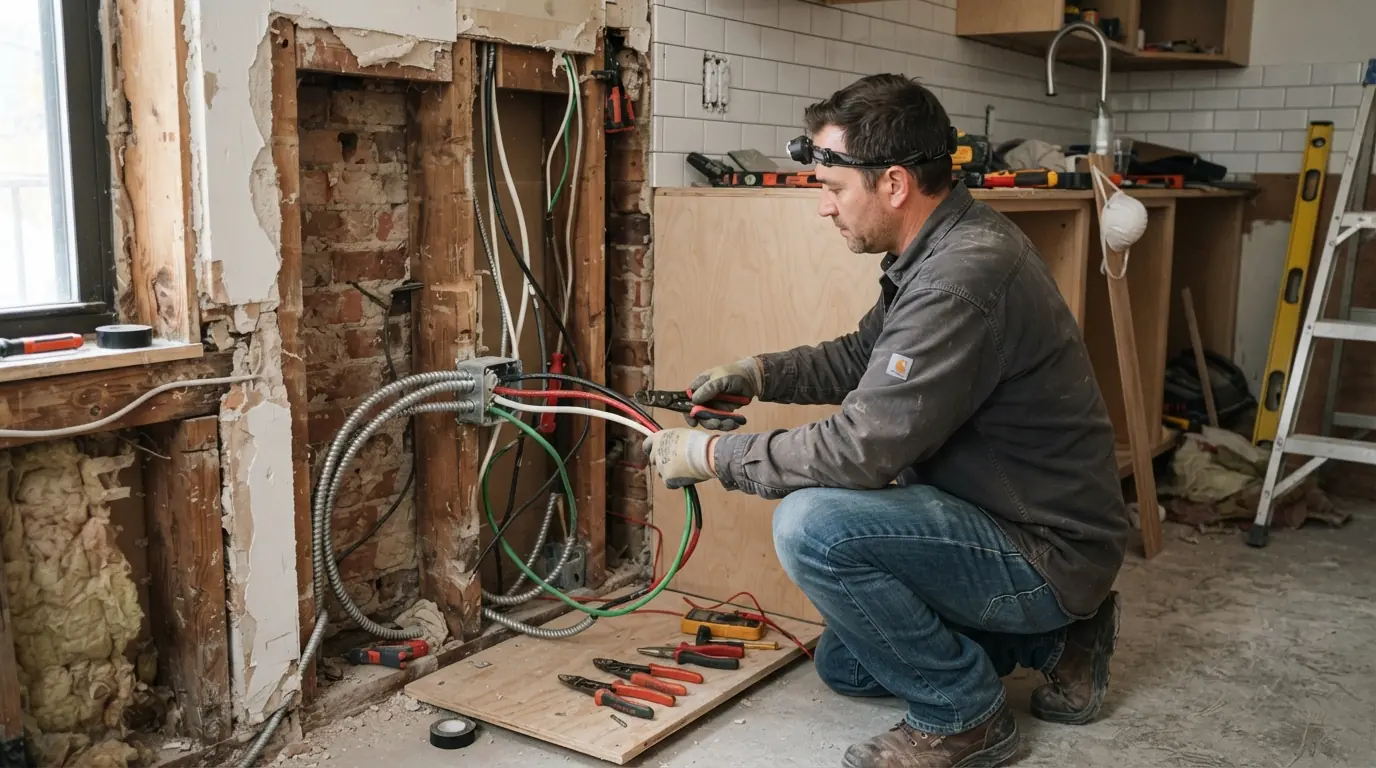
- Armored cable from panel to appliance
- Breaker sized to the wire and the appliance
- Correct 120V or 240V receptacle or hardwired connection
- AFCI or GFCI protection where the code requires
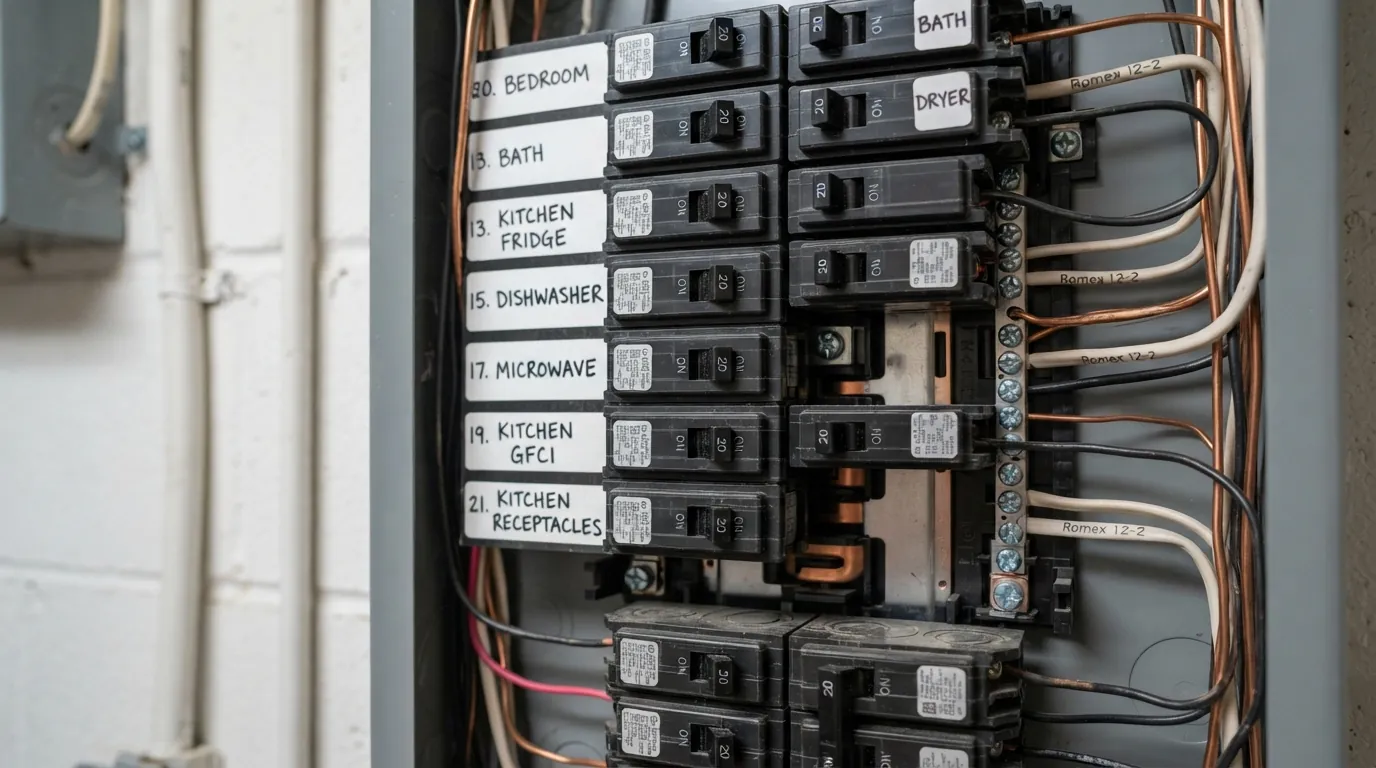
- Panel directory updated
- Tested under load and inspected
What we see in New York buildings
Queens residents were asked to conserve electricity as early as June 11, 2026, at 90 degrees, and during the July heat wave Con Edison cut voltage by 8 percent across wide parts of Brooklyn and Queens. Lower voltage makes compressors in air conditioners and refrigerators draw more current to do the same work, so a unit sharing a circuit that coped in May starts tripping it in July. A dedicated circuit takes that shared load out of the equation.
What happens after you call
- 1
Nameplate and panel check
We read the appliance rating and confirm panel space and capacity.
- 2
Route planned
Shortest safe path from the panel, with the fewest openings in finished walls.
- 3
Permit filed
New circuit work goes into DOB NOW before the cable is pulled.
- 4
Circuit run and terminated
Armored cable, correct breaker, correct receptacle, labeled at the panel.
- 5
Tested and inspected
Voltage and load tested, then the DOB inspection.
Signs an appliance needs its own circuit
AC trips the breaker
The unit and something else share a 15-amp circuit.
Lights dim when the compressor starts
A motor load on a lighting circuit.
Microwave and kettle can't run together
Kitchen counters on one circuit.
Extension cord to the AC
The receptacle isn't where the unit is.
Warm plug or receptacle
The circuit is running near its limit.
New appliance says 240V
It needs a circuit that doesn't exist yet.
Space heater trips every morning
Continuous load on a shared circuit.
Questions about dedicated circuit installation in New York
Most do in practice. A typical unit draws close to what a 15-amp circuit carries, so sharing it with anything else trips the breaker.
No. The breaker has to match the wire. A new circuit with the right wire is the fix.
Yes. New circuits are permitted work filed with the DOB.
Tandem breakers work in some panels. Otherwise a subpanel or panel upgrade comes first.
Usually, with board approval and a load letter. We supply both.
Most single circuits are run in a day; the inspection follows on the DOB's schedule.