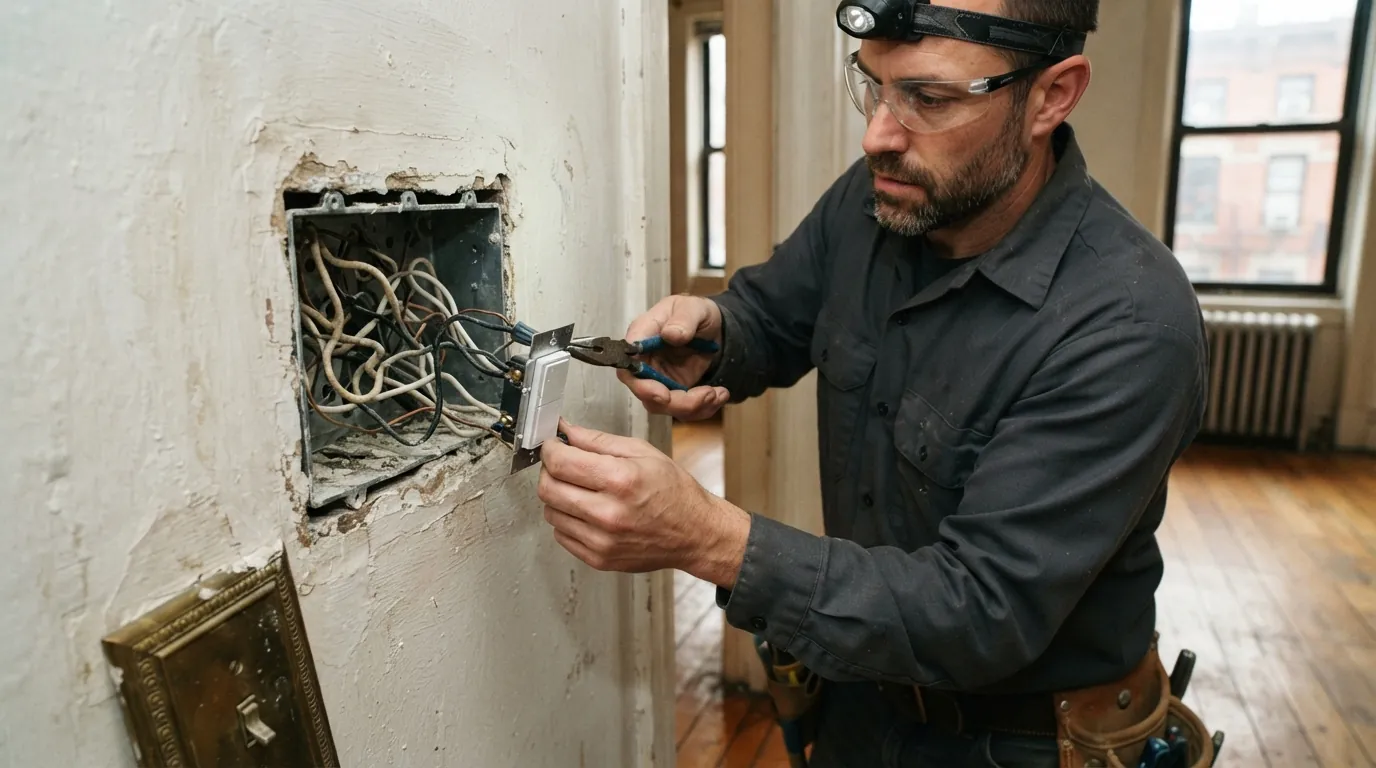
Smart lighting controls in New York City are switches, dimmers and sensors that add app, voice and schedule control to existing lights. The common obstacle is the switch box: many older apartments have no neutral wire there, so we choose no-neutral devices, remote-based systems or run a neutral. National figures put switch installation at about $85 to $200 each.
Updated September 2026
Smart switches are easy to buy and surprisingly easy to install wrong. Most need a neutral wire, many need a deeper box, and dimmers must match the LED fixtures they control.
We check your boxes first, recommend a system that fits the wiring and the number of rooms, and set up scenes and schedules before we leave, so it works on day one.
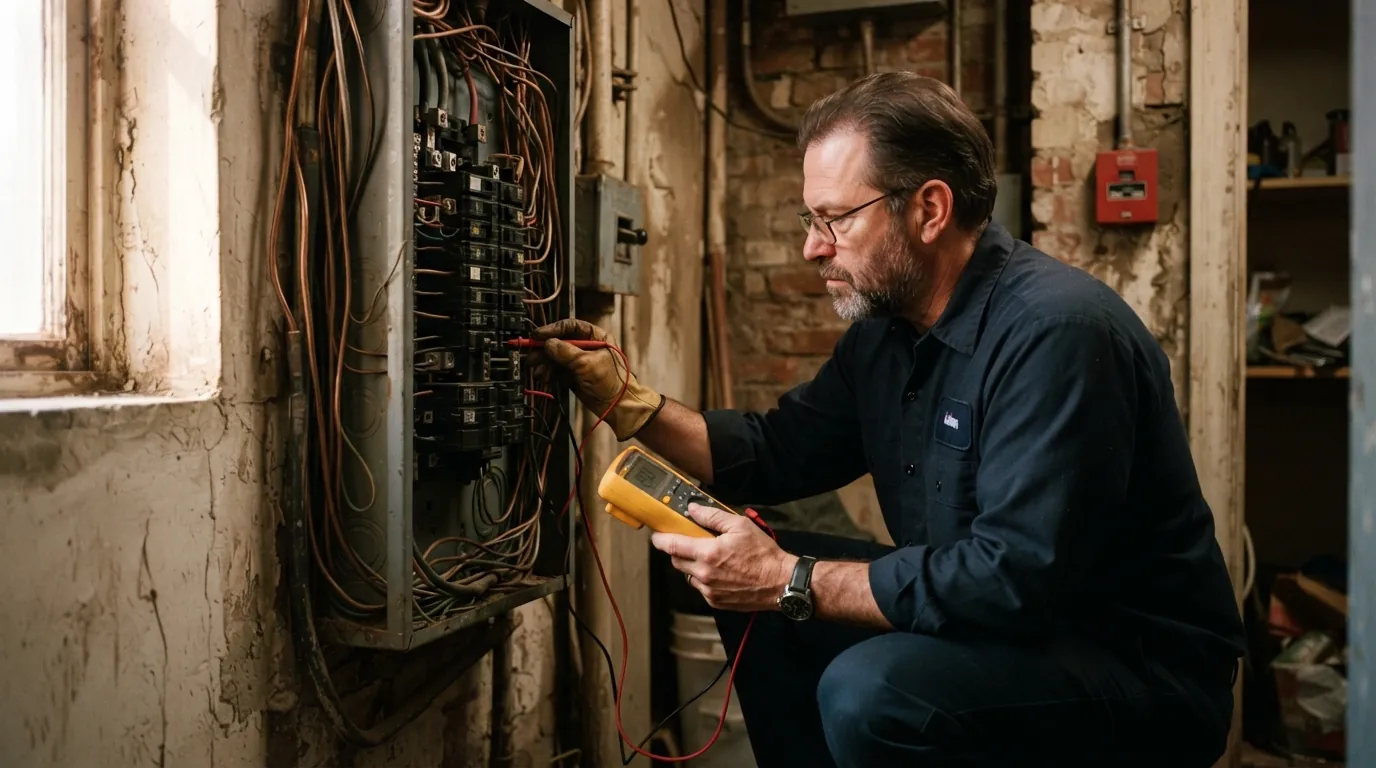
Which approach fits your wiring?
| Approach | Works when | Trade-off |
|---|---|---|
| No-neutral smart dimmers | No neutral in the switch box | Some LED fixtures may flicker |
| Remote-based system | Neutral available at the fixture | Receivers in each fixture |
| New neutral to the box | You want full device choice | Fishing new cable |
Smart dimmers and switches
Smart dimmers replace standard wall switches and add app control, voice control and schedules while still working as normal switches. We match each dimmer to the fixtures it controls, since LED drivers vary and a mismatch causes flicker and buzz. Multi-gang boxes get devices that fit side by side without cracking faceplates, and three-way locations get the right companion switches. Once installed, each device is named by room so the app and voice commands make sense to everyone in the house.
Neutral-wire solutions for older apartments
Many pre-war switch boxes have only the hot and the switched leg, no neutral. There are three honest options. No-neutral smart dimmers exist and work with many fixtures, though some LEDs flicker on them. Remote-based systems put the smart receiver at the fixture, where a neutral is available. Or we run a neutral to the switch box, which is the most reliable fix but means fishing new cable. We'll tell you which fits each room rather than forcing one answer everywhere.
light fixture $155 to $955; ceiling fan $140 to $350; outlets $200 to $300; switches $85 to $200. Source: www.homeadvisor.com, 2025. Published market range for budgeting only, not our quote.
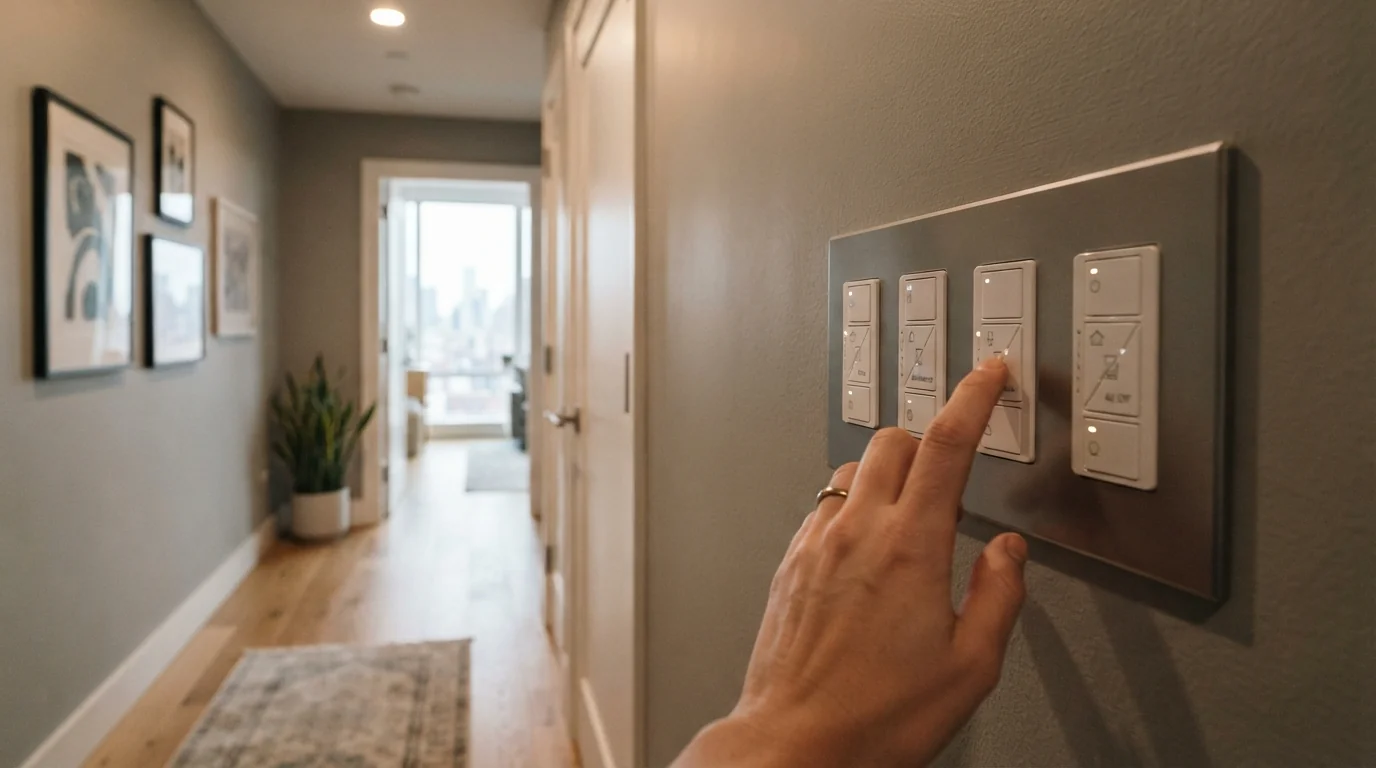
Whole-home scenes and schedules
Scenes set several lights at once, for dinner, a movie or leaving the house, and schedules turn lights on and off at set times or at sunset. A whole-home system ties rooms together on one hub or app, so one tap turns everything off at the door. We set up the scenes you describe, program schedules and away modes, and connect the system to the voice assistant you already use. Before we leave, we show everyone in the household how to change them.
Timers and occupancy sensors
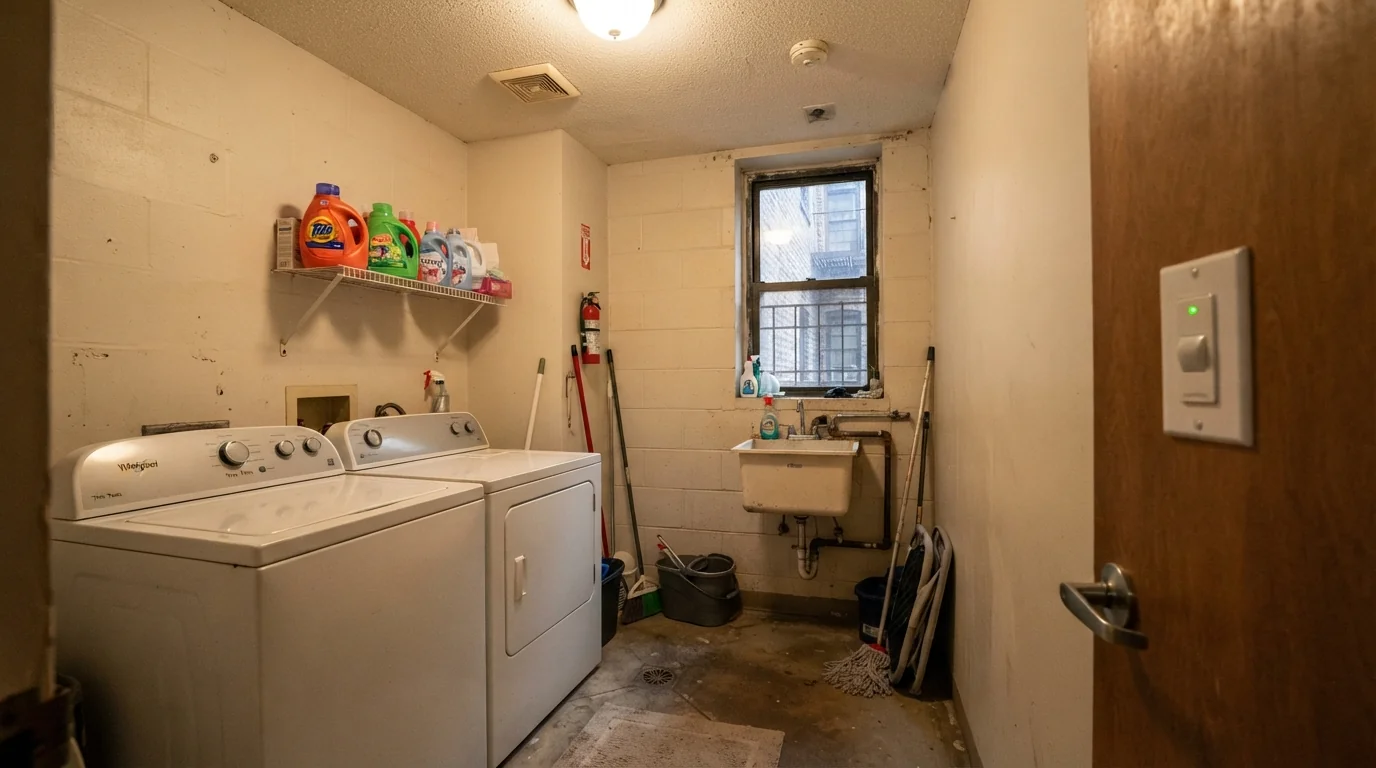
Not everything needs an app. Occupancy sensors in closets, laundry rooms and hallways turn lights on when you walk in and off when you leave, and simple countdown timers stop bathroom fans and exterior lights from running for hours. We place sensors where they see the doorway rather than the hallway beyond it, and set time delays that suit each room. In rental buildings these controls are an easy way to keep common-area and unit lighting from burning all night, with no one needing to remember a switch.
What moves the price
- Number of switches and dimmers
- Neutral wire present or needed
- Box depth and multi-gang fit
- Hub or whole-home system
- Three-way and four-way locations
- Occupancy sensors and timers
- Setup of scenes, schedules and voice control
light fixture $155 to $955; ceiling fan $140 to $350; outlets $200 to $300; switches $85 to $200. Source: www.homeadvisor.com, 2025. Published market range for budgeting only, not our quote.
What you can check yourself
| Check | How | What it tells us |
|---|---|---|
| Neutral in the box | Look for white wires bundled at the back (power off) | Whether standard smart switches fit |
| Box depth | Measure behind the switch | Whether deeper devices fit |
| Fixture type | Note LED, halogen or incandescent | Which dimmer to choose |
| Three-way switches | Find lights with two switches | Which companion switches you need |
What we see in New York buildings
Controls are part of how the city expects lighting to work. Local Law 88 lighting upgrades in large buildings include LED conversion, interior controls, light reduction controls and automatic shutoff. They also help at home in summer, when Con Edison asks customers to conserve between 2 p.m. and 10 p.m. during heat, as it did for Queens as early as June 11, 2026. Schedules and sensors make that easy.
What happens after you call
- 1
Check the boxes
Neutral, box depth and fixture types checked room by room.
- 2
Pick the system
No-neutral, remote-based or new neutral per room.
- 3
Install devices
Switches, dimmers and sensors installed and named.
- 4
Set scenes and schedules
Programmed to how you use each room.
- 5
Walkthrough
Everyone in the household shown how to use it.
Brands we install and service include Square D and Eaton panels, Leviton and Lutron devices, and Tesla and ChargePoint chargers.
Questions about smart switches & lighting controls in New York
Most do. No-neutral models and remote-based systems work where there isn't one.
The dimmer isn't matched to the LED driver. We match them.
Yes, by fishing new cable to the box.
It depends on your rooms and assistant. We recommend one that fits your wiring.
Yes. They work as normal switches without the app.
Yes. We program scenes and schedules before we leave.