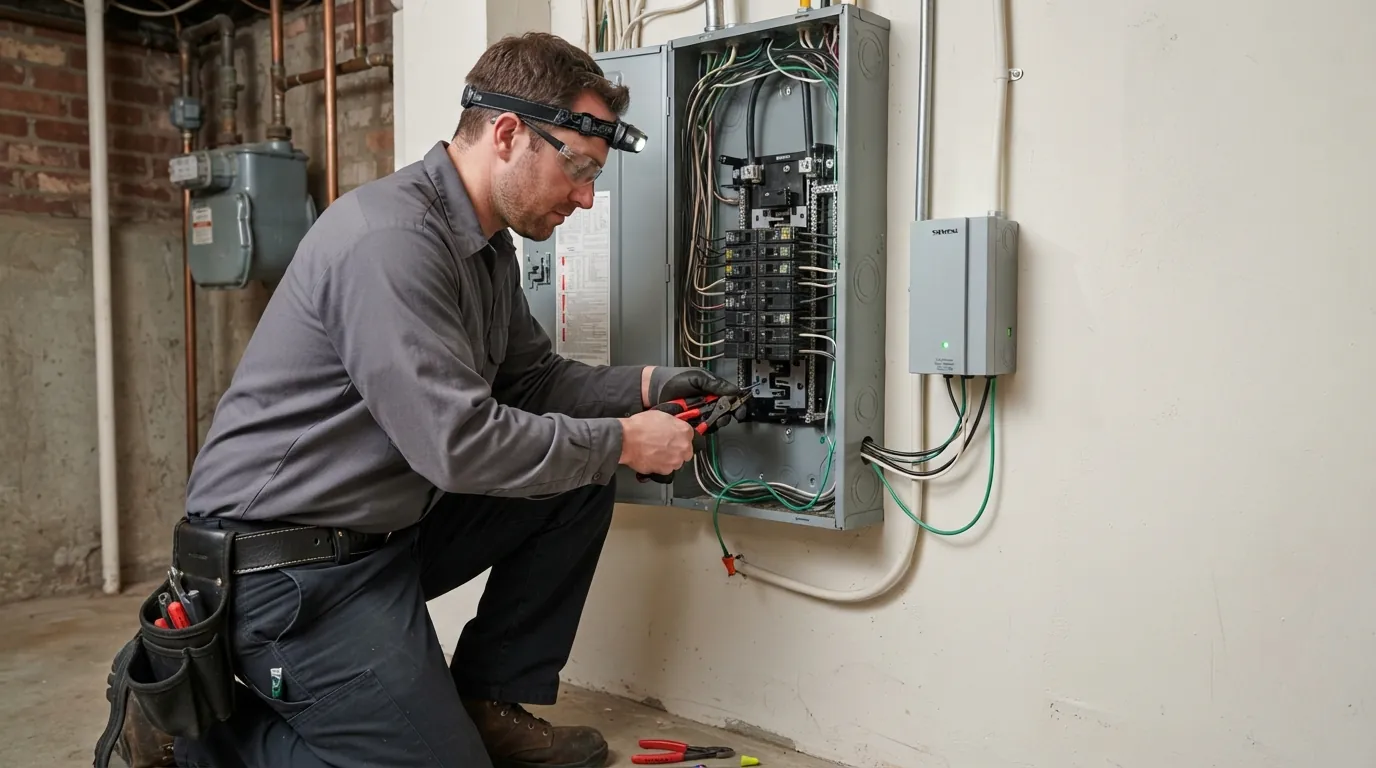
Whole-home surge protection in New York City is a surge protective device mounted at or next to the panel that clamps voltage spikes before they reach appliances, electronics and HVAC controls. It works only as well as the grounding behind it, so we check the grounding and bonding as part of the install and pair it with point-of-use protection for sensitive equipment.
Updated September 2026
Most damaging surges don't come from lightning. They come from the grid switching, from motors cycling inside the building, and from the moment power is restored after an outage. Modern appliances and heat pumps are full of electronics that don't forgive them.
A panel device handles the big, building-wide surges. Plug-in protectors at the TV, the computer and the router handle what's generated inside the home. You need both for real coverage.
Type 1 and Type 2 panel surge devices
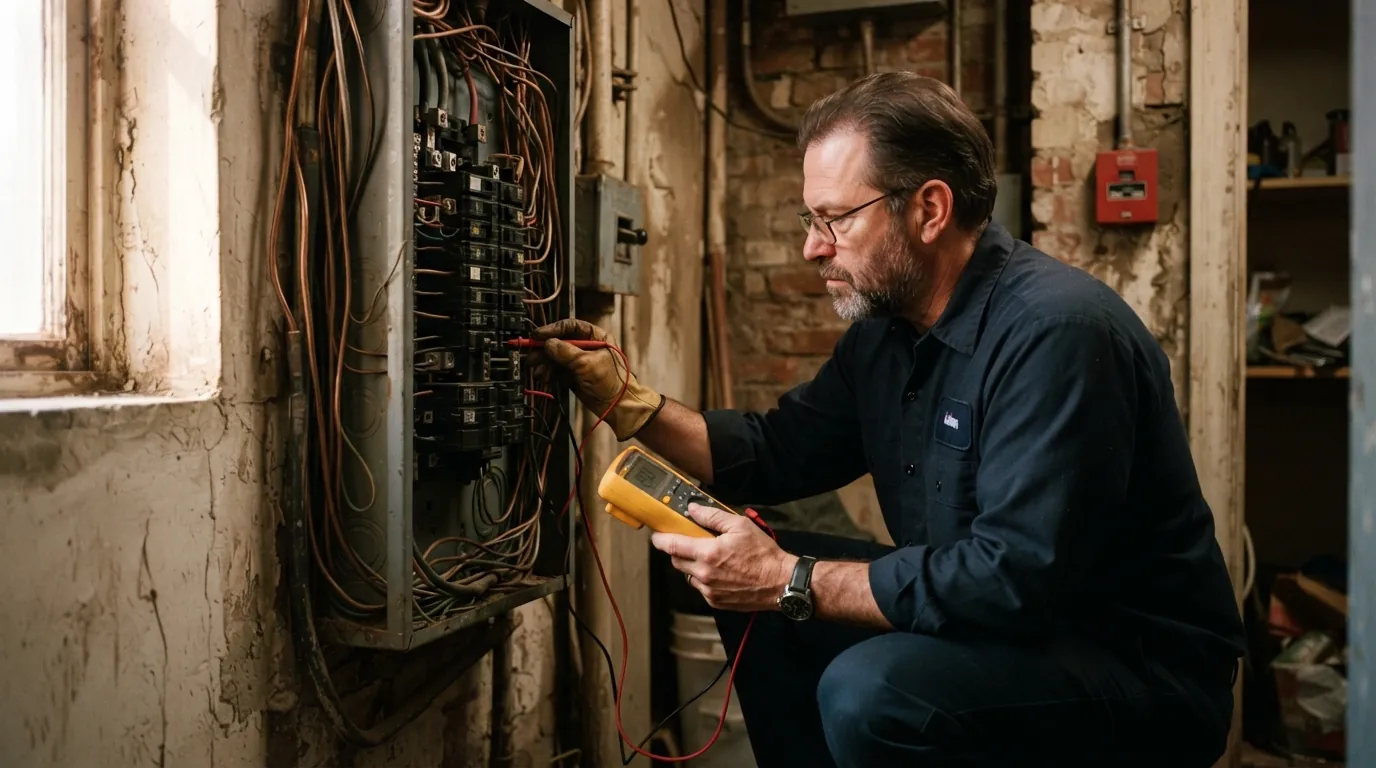
Type 1 devices install on the line side of the main, ahead of the panel, and are common where the service is being replaced. Type 2 devices install on the load side, usually on a two-pole breaker inside the panel, and suit most existing homes. The national code the city's 2025 code builds on added a surge-protection requirement for dwelling services, and we check how the city's amendments apply to your job. We pick the rating for the panel size and keep the leads short, which matters more than most people think.
$100 to $200 per hour standard; $200 to $400 per hour emergency or after hours; service call minimum $150 to $300. Source: aecontractorsnyc.com, 2026-09. Published market range for budgeting only, not our quote.
Point-of-use protection for electronics
A panel device clamps the surge to a level the house wiring can take, but a computer or a smart TV can still be hurt by what's left, and by surges created inside the home by compressors and motors. Quality plug-in protectors at the electronics finish the job. We'll recommend where they matter, check that the outlets they plug into are grounded, and replace two-prong outlets where needed so the protectors actually have a ground to divert to. A strip plugged into an ungrounded outlet does very little.
Grounding and bonding checks
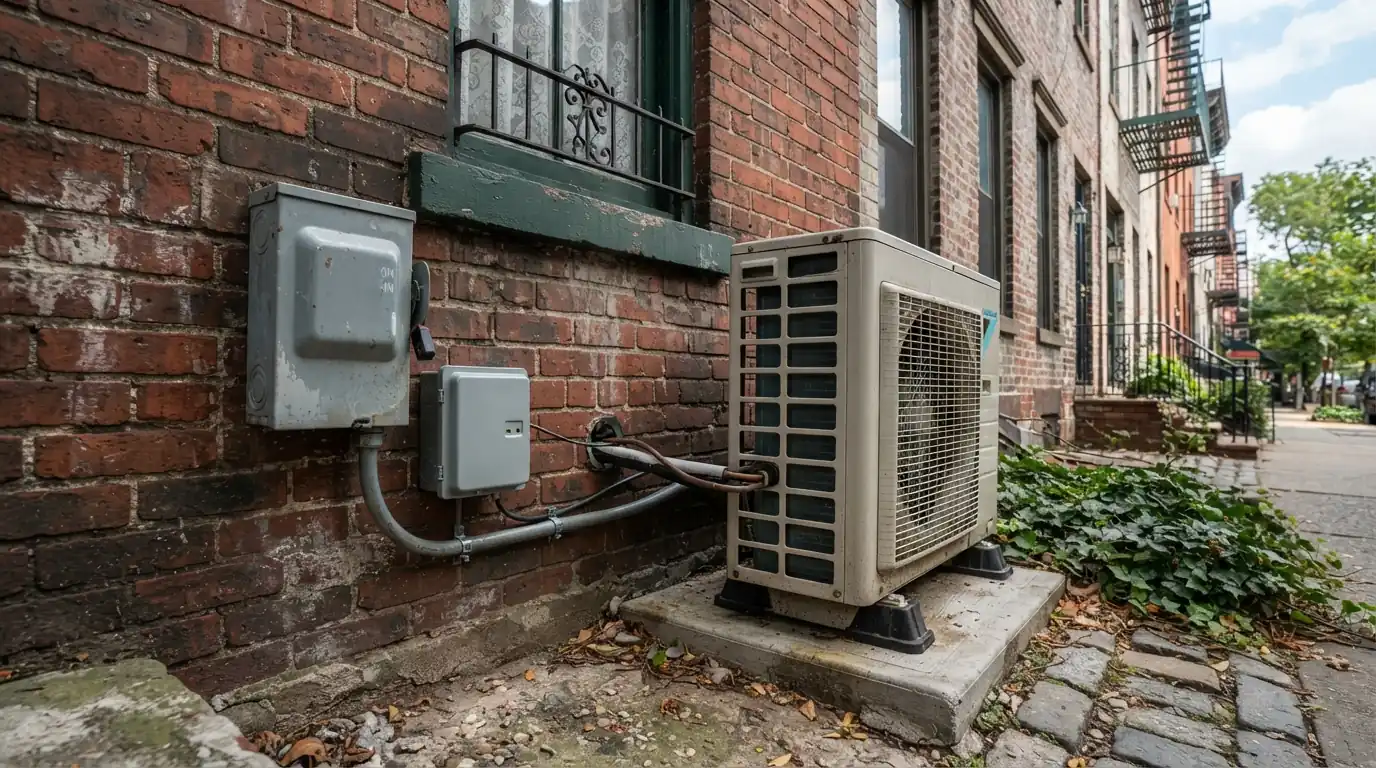
A surge device diverts energy to ground. If the grounding electrode is corroded, the water-pipe bond was cut when a plumber added plastic, or the gas piping isn't bonded, the device has nowhere to send it. Every surge install starts with a check of the grounding electrode conductor, the bonds to water and gas, and the neutral and ground connections in the panel. Anything missing or loose is corrected in the same visit, and we note it on the invoice so you have a record.
Surge protection for HVAC and heat pumps
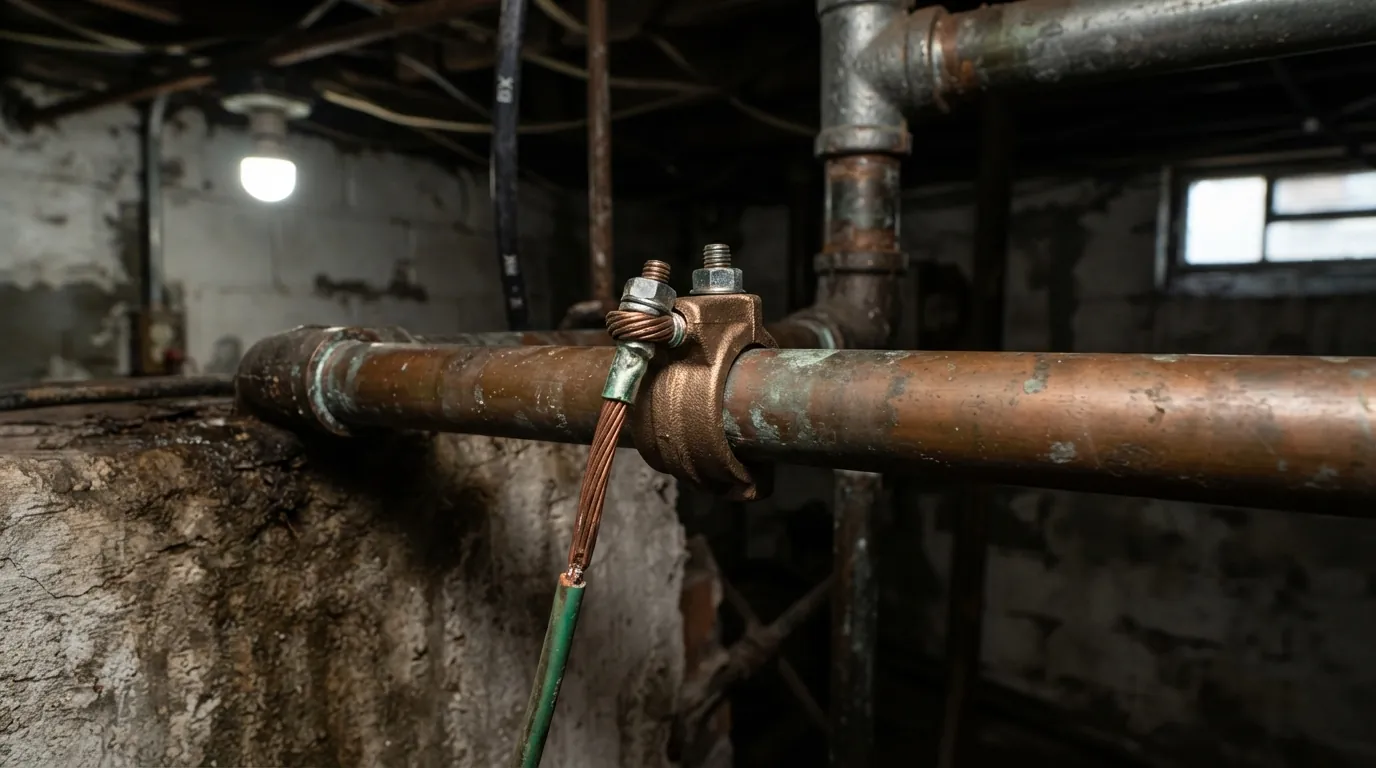
Heat pumps, mini-splits and variable-speed air conditioners run on inverter boards that are expensive to replace and often slow to source. Those boards are exactly what brownouts and restoration surges damage. Besides the panel device, we can add a dedicated surge device at the outdoor unit's disconnect, which shortens the path for anything coming in on that circuit. It's a small addition when a heat pump is being installed and cheap insurance on one you already have, especially after a summer of voltage cuts.
What moves the price
- Type 1 or Type 2 device and its rating
- Space in the panel for a two-pole breaker
- Grounding and bonding corrections found
- Surge device at an outdoor HVAC disconnect
- Two-prong outlets replaced for point-of-use protectors
- Installed with a panel or service upgrade
- Permit where the work requires one
$100 to $200 per hour standard; $200 to $400 per hour emergency or after hours; service call minimum $150 to $300. Source: aecontractorsnyc.com, 2026-09. Published market range for budgeting only, not our quote.
What we see in New York buildings
Summer 2026 showed why. During the early-July heat wave Con Edison reported more than 80,000 customers losing power and cut voltage by 8 percent across wide areas of Brooklyn and Queens. The Fourth of July storms then left more than 2,300 Brooklyn and about 1,000 Queens customers out late on July 5. Every restoration is a switching event, and every one sends a spike into the homes coming back online.
What happens after you call
- 1
Panel and grounding check
We look at space, grounding electrode and bonds before choosing a device.
- 2
Device selected
Type and rating matched to the panel and service.
- 3
Installed with short leads
Mounted close to the bus so the clamping works as rated.
- 4
Grounding corrected
Missing or loose bonds fixed in the same visit.
- 5
Tested and explained
Status light checked and point-of-use needs listed.
Brands we install and service include Square D and Eaton panels, Leviton and Lutron devices, and Tesla and ChargePoint chargers.
Signs your home needs surge protection
Electronics failing early
Power supplies and chargers dying without cause.
Clocks resetting
Brief dips and spikes on the line.
Heat pump board replaced
Inverter electronics damaged once already.
Lights flare after an outage
Voltage overshoot on restoration.
Two-prong outlets
No ground for plug-in protectors to use.
Plastic pipe at the water meter
The grounding bond may be gone.
Frequent local outages
Every restoration is a switching surge.
Questions about whole-home surge protection in New York
Not during it. It helps when power drops and comes back, which is when spikes happen.
It reduces damage from nearby strikes, but no device stops a direct hit.
It wears with every surge. Most have a status light that shows when it needs replacing.
Yes, for sensitive electronics. The panel device and the strips do different jobs.
Usually, if there's space for a two-pole breaker.
It's a good time to. The unit's inverter boards are the parts surges damage most.