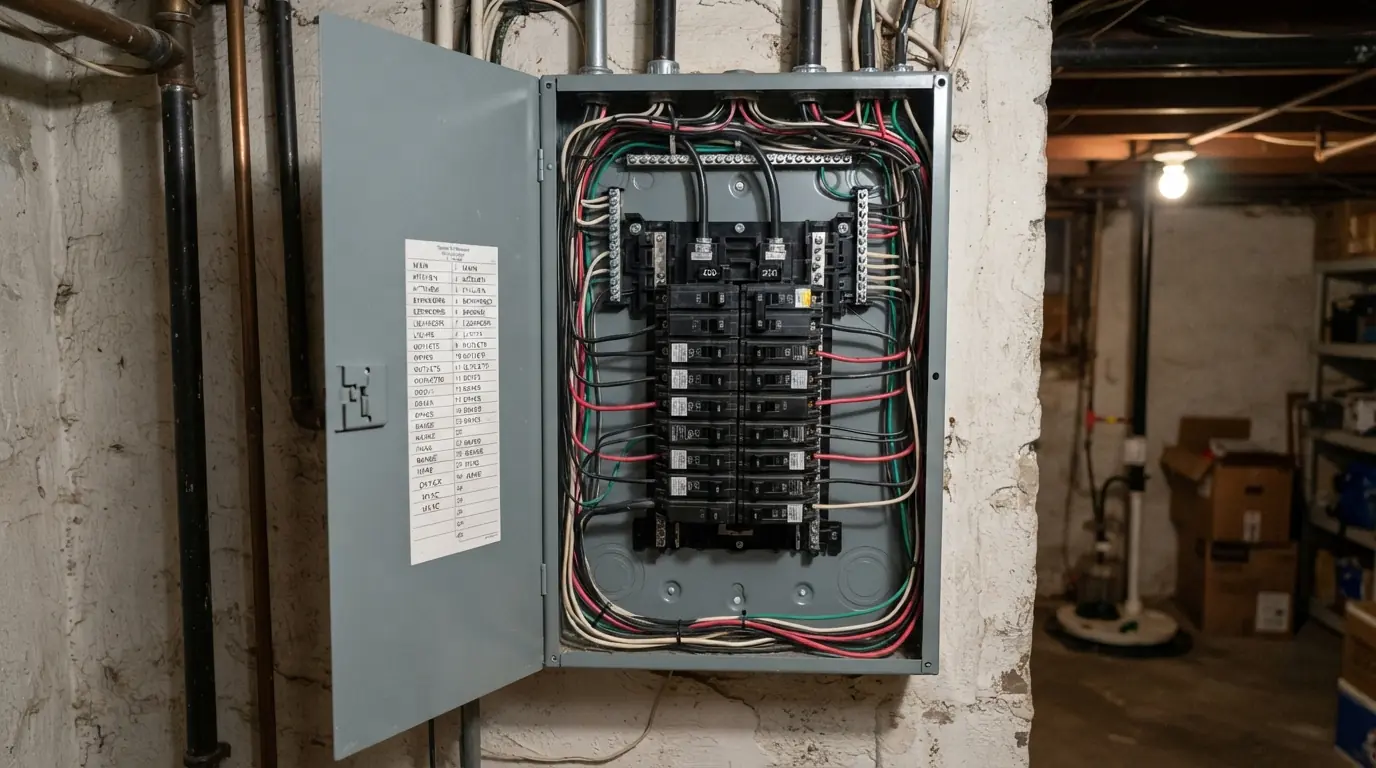
Published New York figures put a 200-amp panel installation at roughly $1,465 to $2,250, with an average near $1,802. All-in jobs that include the DOB permit and Con Edison coordination run about $1,500 to $4,000, and older buildings that also need a new service entrance can reach $3,500 to $6,000.
What the published numbers say
Cost data for New York is more useful than national averages, because permits, Con Edison coordination and building access all add time here. The ranges below come from published New York sources and are what most homeowners see on a quote, before anything unusual turns up behind the old panel.
Treat the low end as a straightforward swap in an accessible spot with an adequate service. Treat the high end as the job where the meter, the service cable or the riser has to change too.
| Job | Published range | What it usually includes |
|---|---|---|
| 200-amp panel installed | $1,465 to $2,250 (average about $1,802) | Panel, breakers, labor |
| 100A to 200A upgrade, all-in | $1,500 to $4,000 | Panel, DOB permit, Con Edison coordination |
| Older building with a new service entrance | $3,500 to $6,000 | Service cable, meter work, panel |
| DOB filing for a panel upgrade | $300 to $600 | The permit itself |
Panel only, or the service too?
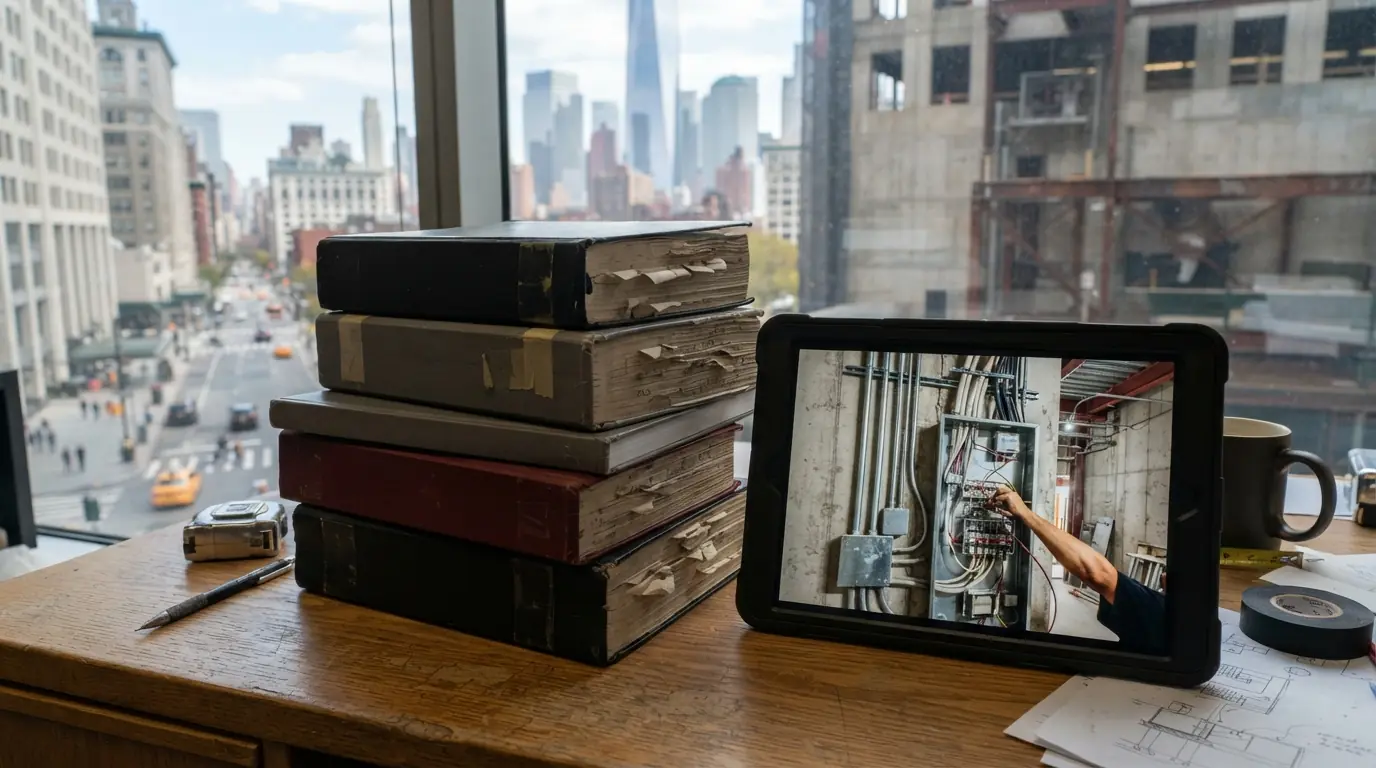
A panel distributes power inside your home. The service is everything upstream: the meter, the cable from the street or the riser, and the main disconnect. Replacing the panel alone raises the number of circuits you can have, but not how much power the unit can draw.
That distinction is where many quotes go wrong. If the meter pan or riser is rated for 60 or 100 amps, a 200-amp panel behind it changes very little. A proper quote starts with a load calculation and a look at the meter, so you know which of the two jobs you are actually paying for. Our service upgrade page explains the upstream side in detail.
What pushes the price up in city buildings
Access is the biggest variable. A basement panel in a house is quick to reach; a panel in a co-op closet that feeds from a shared riser may involve the super, a building engineer and a work window set by the board. Plaster walls, cramped closets and panels installed where today's code wants clear working space all add hours.
The age of what we find matters too. Double-tapped breakers, aluminum feeders, recalled panel brands and cloth-insulated wiring at the panel are corrected as part of the job, and each adds a little. Emergency timing adds more: work done at night or on a weekend is billed at after-hours rates, which published New York figures put at roughly $200 to $400 an hour.
Permits, inspections and Con Edison
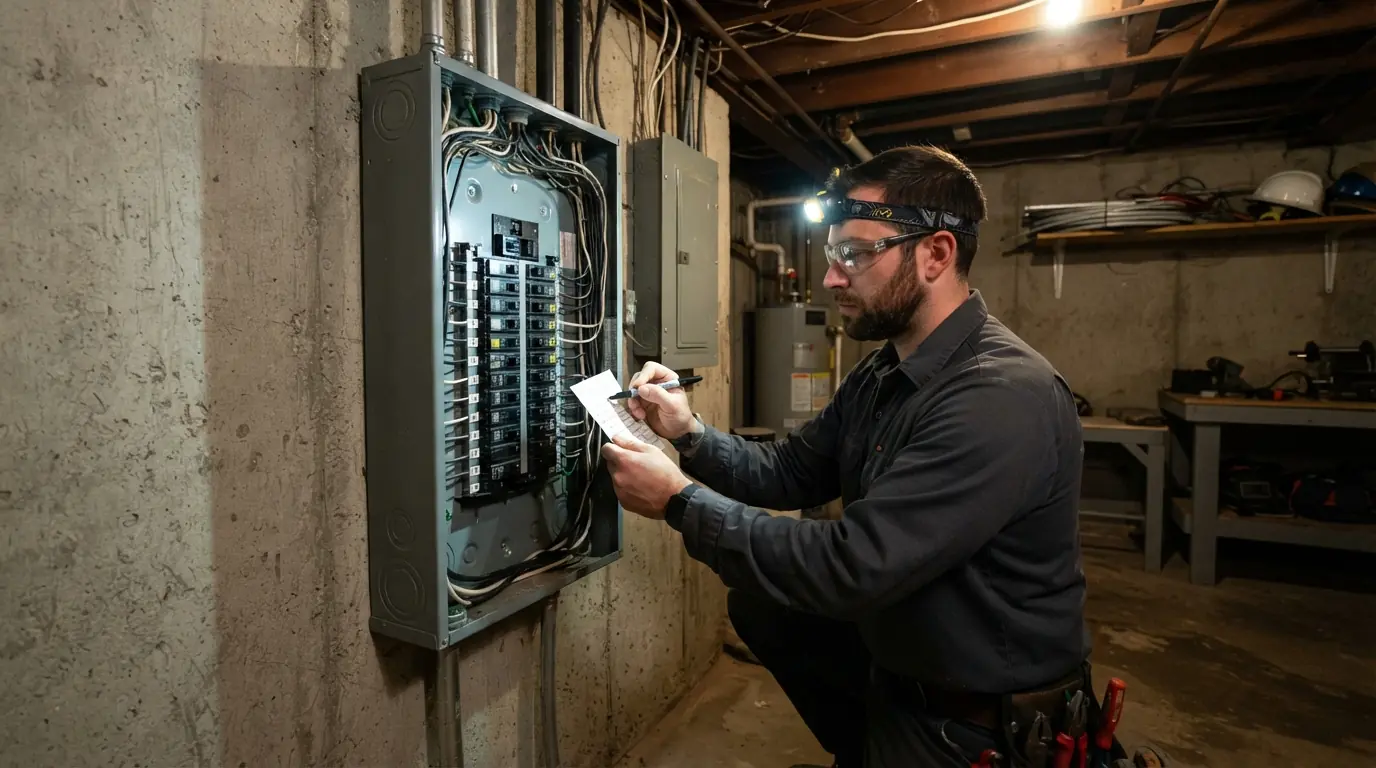
A panel replacement is permitted work in the city. It is filed through DOB NOW: Build, and the inspection follows installation. When the service changes too, Con Edison sets a cutover date, and that date usually decides the schedule more than the electrical work does.
The practical effect is that the calendar, not the day of work, is what homeowners notice. The panel swap itself is usually one working day. Filing, the utility request and the inspection sit around it, so a quote should say when each of those happens.
How to get a quote that holds
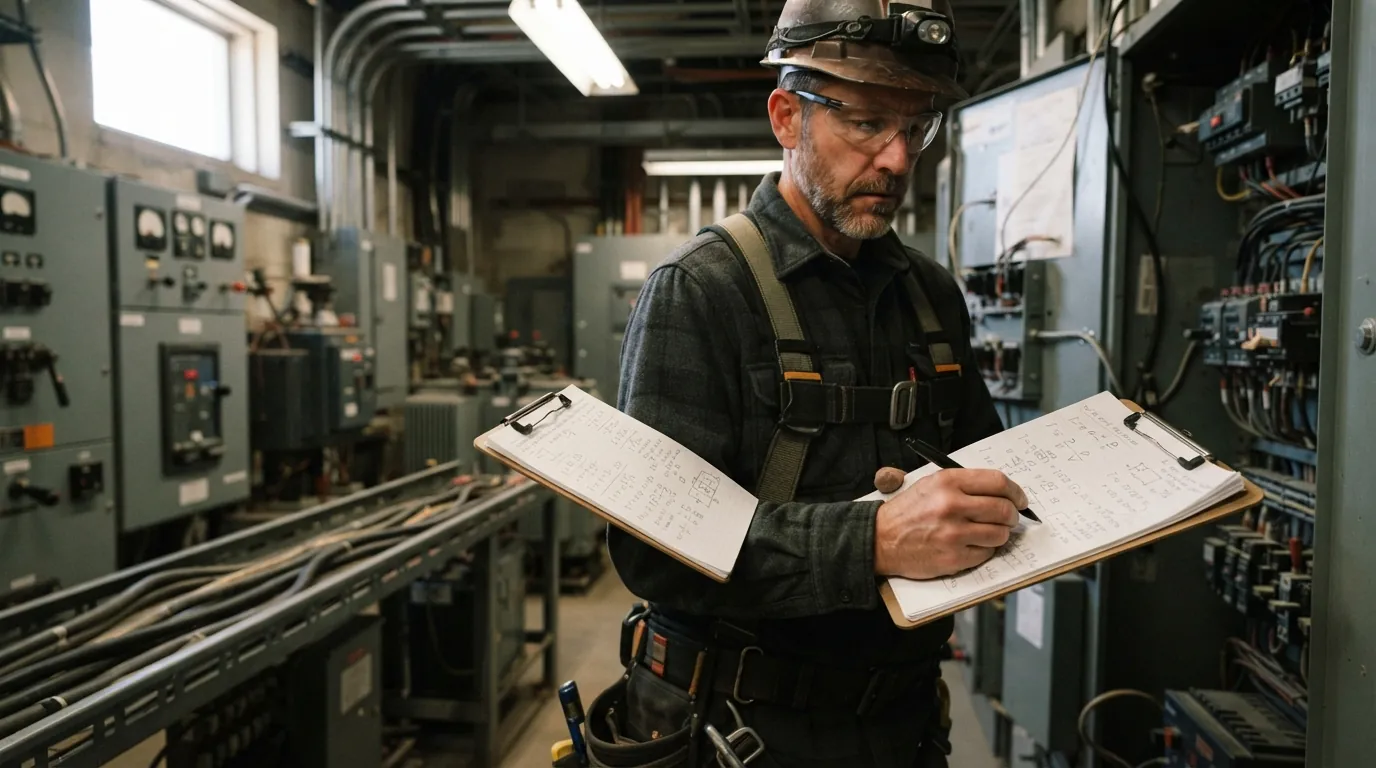
Photos help. A clear shot of the open panel label, the main breaker and the meter tells an electrician most of what the site visit will confirm. Mention what you plan to add, such as a charger, a heat pump or an induction range, because that is what the load calculation has to cover.
Ask what is included: the permit, the Con Edison coordination, the inspection, patching and the new directory. A price that leaves those out will grow. Ask, too, what happens if the riser or meter turns out to be the limit, so the second number is not a surprise.
When something smaller does the job
Not every full panel needs replacing. If the service has spare capacity but the panel has no empty spaces, a subpanel near the new work can be cheaper. If you are adding one large load such as an EV charger, load-management devices can let it share capacity with the rest of the home and avoid an upgrade altogether.
The honest answer depends on your load calculation. When the numbers say the panel can stay, you should hear that before anyone quotes you a replacement.
Signs the panel is actually due
Some panels are replaced because the owner wants more circuits; others because the panel itself has become the risk. Breakers that feel warm, scorch marks on the bus or the cover, a buzzing sound under load and breakers that will not stay reset all point to the second kind, and they are worth a call before any renovation planning.
Panels from brands with known problems, such as Federal Pacific and Zinsco, are often replaced on sight, because their breakers may not trip when they should. So are fuse boxes and panels of 60 amps or less in homes that now run air conditioning and modern kitchens. A panel with every space full and double-tapped breakers is telling you the same thing more quietly.
- Warm breakers or a warm panel cover
- Scorching, buzzing or a burning smell
- Federal Pacific, Zinsco or a fuse box
- A 60-amp service or smaller
- No empty spaces and double-tapped breakers
- Plans for a charger, heat pump or induction range
Services this guide covers
Related guides
Frequently asked questions
The swap is usually one working day; permits, the Con Edison date and the inspection sit around it.
Not always. The load calculation decides; many apartments are well served by 100 or 125 amps.
Yes. It is filed with the DOB and inspected.
For most of the working day, yes. We restore power before we leave.
Usually one includes the permit, Con Edison work and inspection, and the other does not.
Sometimes, with load management. The calculation tells you.